
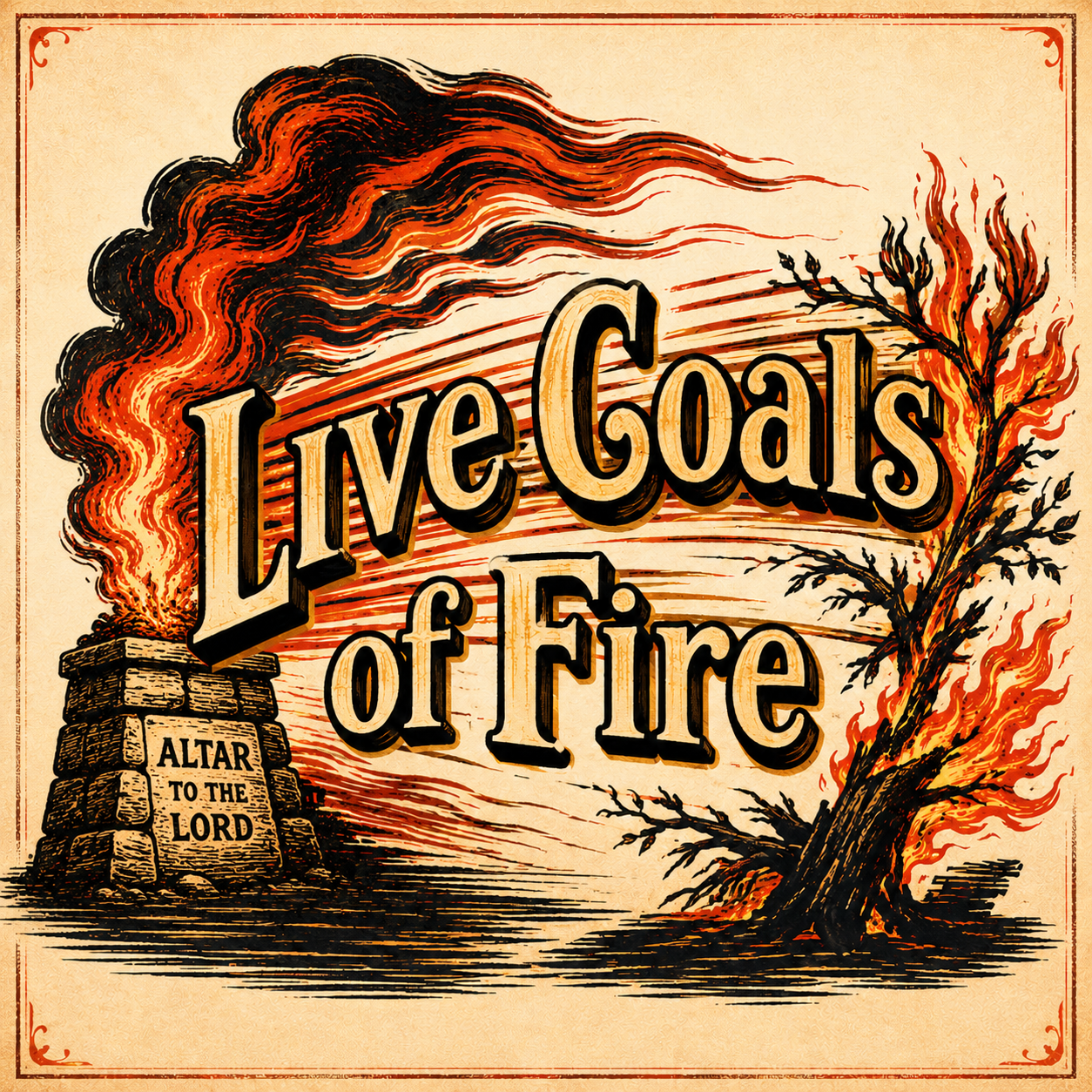
In this episode of Fresh Ground Theology, David, Wes, and Nate continue their dive into the explosive world of late nineteenth-century American revivalism by focusing on one of the most intense expressions of the Holiness Movement: the Fire-Baptized Holiness Church.
Founded in 1895 by Benjamin Hardin Irwin, the Fire-Baptized Holiness Church burned bright and fast. By 1911, it had merged into the Pentecostal Holiness Church, but its impact far outlived its short institutional life. Its theology of a “third work of grace,” its fiery camp meeting culture, its interracial beginnings, its collapse after scandal, and its influence on Pentecostalism all make it a movement worth taking seriously.
The guys trace the story from sawdust-floor camp meetings and dramatic testimonies to denominational structures, racial tensions, leadership failure, Pentecostal transition, and the movement’s living legacy through the International Pentecostal Holiness Church and the Fire Baptized Holiness Church of God of the Americas.
In This Episode
David, Wes, and Nate discuss:
- Why the Fire-Baptized Holiness Church mattered historically
- Benjamin Hardin Irwin and the doctrine of the “third blessing”
- Camp meetings, sawdust floors, testimonies, and revival culture
- The role of Live Coals of Fire in spreading the movement
- Dramatic reports of salvation, sanctification, fire baptism, healing, and deliverance
- The dangers of visible spiritual experience becoming a measure of authenticity
- Jewelry, tobacco, silks, and material renunciation in Holiness spirituality
- The movement’s transition from charismatic revival to organized denomination
- Joseph H. King and the institutional survival of the movement
- The Beniah School of the Prophets
- Interracial worship and leadership in a Jim Crow context
- William E. Fuller and the Colored Fire-Baptized Holiness Church
- B. H. Irwin’s moral failure and resignation
- The shift toward Pentecostalism after Azusa Street
- Conflict over tongues, holiness standards, and the original “Order of Fire”
- The 1911 merger into the Pentecostal Holiness Church
- The enduring legacy of the movement in the IPHC and the Fire Baptized Holiness Church of God of the Americas
Timestamps
00:00 — Welcome back to Fresh Ground Theology
00:30 — David opens the show and the guys joke about procedural growth
01:00 — Coffee talk: Folgers, artisan coffee, church coffee, and sanctification
03:00 — Introducing the Fire-Baptized Holiness Church
04:00 — The late nineteenth-century Holiness Movement and the “third blessing”
05:00 — Benjamin Hardin Irwin and the baptism of fire
06:00 — Camp meetings, testimonies, and Live Coals of Fire
08:00 — Dramatic spiritual experiences and the pressure to perform
10:00 — Renunciation, holiness standards, and visible signs of inward change
12:00 — Meetings as battlefields: healing, deliverance, and divine explosives
14:00 — Organization and growth: from campfire to committee
16:00 — Joseph H. King and the movement’s institutional development
18:00 — Beniah School of the Prophets and training leaders in “fire and dynamite”
20:00 — Interracial leadership and worship in the FBHC
22:00 — William E. Fuller and African-American Fire-Baptized churches
25:00 — Crisis: B. H. Irwin’s fall and resignation
27:00 — Founder failure in a holiness movement
29:00 — King’s leadership and the turn toward Pentecostalism
31:00 — Azusa Street, tongues, healing formulas, and theological change
33:00 — Racial separation and Fuller’s autonomous Black denomination
36:00 — Splinter groups and the decline of Irwin’s original fire theology
38:00 — The 1911 merger into the Pentecostal Holiness Church
40:00 — Legacy in the International Pentecostal Holiness Church
42:00 — Legacy in the Fire Baptized Holiness Church of God of the Americas
44:00 — Closing reflections and listener invitation
46:00 — The Lord’s Prayer and blessing
Key Themes
A Short-Lived Movement with a Massive Footprint
The Fire-Baptized Holiness Church existed independently for only a short time, but its influence helped shape later Pentecostal streams. Its language, theology, and leaders became part of the DNA of denominations that still exist today.
Fire as Theology and Identity
For Irwin and his followers, “fire” was not decorative language. It described a third work of grace beyond conversion and sanctification — a baptism of fire that they believed empowered believers, destroyed sin, and prepared the church for revival and the coming kingdom.
Camp Meetings as Spiritual Battlefields
The movement’s meetings were intense. Testimonies described salvation, sanctification, healing, deliverance, shouting, dancing, tongues, and visible renunciation of worldly habits. These gatherings were framed as places where God attacked sin, hypocrisy, addiction, sickness, and spiritual deadness.
The Danger of Performative Spirituality
The guys wrestle with the danger of a movement validating itself through dramatic experiences. When spiritual authenticity depends on visible manifestations, even sincere people — especially children — can feel pressure to perform.
Charisma Becomes Institution
The FBHC began with revival fire, but it quickly developed structures: state associations, national councils, a weekly paper, meeting houses, itinerant evangelists, and a school for training leaders. The episode explores the tension between Spirit-led spontaneity and the institutional machinery needed for survival.
Race, Brotherhood, and Jim Crow
The Fire-Baptized Holiness Church was interracial from the beginning, with Black leaders such as William E. Fuller serving in significant roles. At the same time, the movement existed in a Jim Crow world, and racial separation eventually became formalized. The episode holds both truths together: the interracial worship was real, and so were the structural limits.
Founder Failure and Theological Shock
When B. H. Irwin confessed to “open and gross sin” in 1900, the movement faced a crisis. For a holiness movement that preached eradication of inbred sin, the founder’s fall forced difficult questions about experience, sanctification, accountability, and whether the “fire” guaranteed what the movement claimed.
Pentecostal Afterlife
Under Joseph H. King, the movement moved toward Pentecostalism, especially after Azusa Street. Fire baptism became increasingly identified with Spirit baptism evidenced by tongues. By 1911, the white majority merged into the Pentecostal Holiness Church, while Fuller’s Black branch continued as the Fire Baptized Holiness Church of God of the Americas.
Important Figures Mentioned
- Benjamin Hardin Irwin — Founder of the Fire-Baptized Holiness Church and chief advocate of the third blessing
- Joseph H. King — Key institutional leader who guided the movement through crisis and toward Pentecostalism
- William E. Fuller — African-American Holiness leader, organizer of Black Fire-Baptized churches, and founder of the Fire Baptized Holiness Church of God of the Americas
- Lee and Skinner — Fire-Baptized veterans connected to the Pentecostal Holiness Church of North Carolina
- Max Weber — Referenced for the concept of the “routinization of charisma”
Organizations and Movements Mentioned
- Fire-Baptized Holiness Church
- Fire Baptized Holiness Church of God of the Americas
- Pentecostal Holiness Church
- International Pentecostal Holiness Church
- Colored Fire-Baptized Holiness Church
- Bible Holiness Church
- Beniah School of the Prophets
- Azusa Street Revival
- American Holiness Movement
- Early Pentecostalism
Memorable Lines
“From campfire to committee.”
“Infrastructure for ignition.”
“Founder failure in a holiness movement.”
“Start with tents and testimonies, hit scandal and splits, and end up shaping a major Pentecostal stream.”
“The Spirit breaks down walls, and then the culture rebuilds them.”
“Small intense movements get absorbed into larger bodies that carry some of their DNA forward while smoothing the edges.”
Follow Fresh Ground Theology on YouTube, Spotify, and Apple Podcasts. Visit FreshGroundTheology.com to read more, contact the hosts, and check out the merch store.
Listeners are invited to send in questions or topic ideas, especially about William E. Fuller, Azusa Street connections, and the Holiness-Pentecostal debate.


Leave a Reply