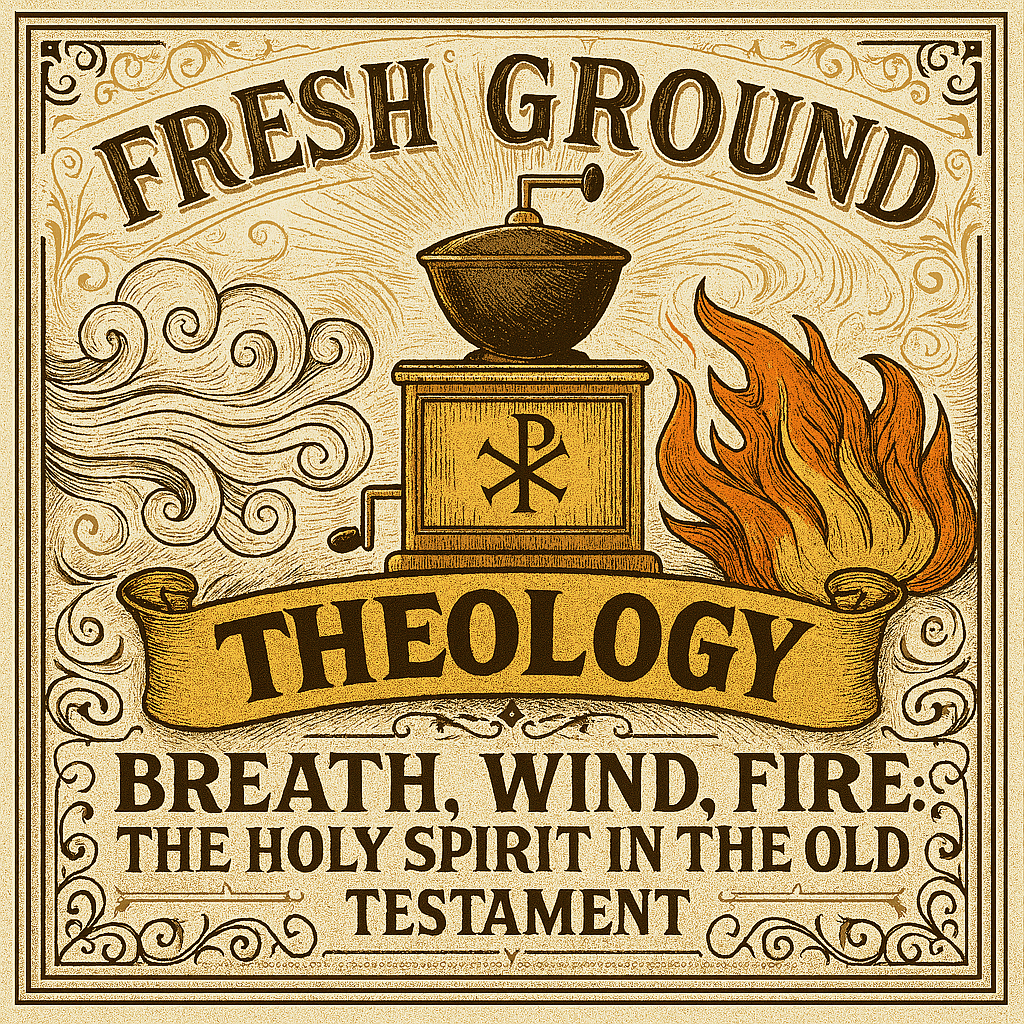
Episode theme: Knowing the Holy Spirit as a Person—and why your brain might be part of the story.
Coffee is poured. Tea drinkers are jokingly labeled “monsters.” And then the conversation turns unexpectedly deep: What if the Holy Spirit’s nearness isn’t only something you “think,” but something you experience—in breath, body, attention, and inner stillness?
In this episode, Nate and David explore the line between “spiritual calm” and Christian communion, using neuroscience as a lens—without reducing the Spirit to brain chemistry.
Why this episode will challenge you
- What if the biggest barrier to prayer isn’t unbelief… but your inner narrator?
- Why do some “spiritual” experiences feel real—but leave you unchanged?
- Can your brain become more attuned to God over time?
- Is “be still and know” (Psalm 46:10) a spiritual command… or also a neurological clue?
Cold open: coffee, tea, and the theology of daily life
Before the deep dive, the guys set the tone: theology works better with caffeine.
- Keurig workplace coffee station ethics
- “Tea drinkers are monsters” (tongue-in-cheek)
- The “ideal coffee moment” on the porch: cicadas, hummingbirds, native plants, Sabbath-like stillness
- A reminder: this conversation was recorded in late July, not midwinter
Main question: Can you know the Holy Spirit, not just know about Him?
They anchor the episode in the claim that the Holy Spirit is not an atmosphere or force—but a Person who relates, speaks, and confirms identity in Christ.
Key text: Romans 8:16 — “The Spirit himself confirms to our spirit that we are children of God.”
This becomes the pivot: the Spirit’s witness is not merely information; it’s encounter—sometimes beneath language.
Two minds in one brain: left vs. right hemisphere
Nate frames a common (and debated) neuroscience idea: the brain’s hemispheres process reality differently.
- Left hemisphere: language, logic, analysis, parts
- Right hemisphere: images, emotion, relationships, context, presence
They reference Iain McGilchrist and the “master/emissary” idea: one side “grasping,” the other “relating.”
Provocative tension:
What if modern Christians live almost entirely in the “analysis” mode—and call it maturity?
Spiritual experiences and the brain: what neuroscience suggests
The discussion touches on how contemplative practices are associated with:
- shifts in attention and emotional regulation
- quieting the “default mode network” (the self-referential inner chatter)
- the sensation of “transcendence” or diminished self-boundaries in certain states
- the role of rhythmic breathing in calming the body (parasympathetic activation)
But the episode refuses a simplistic conclusion:
Neuroscience may describe the hardware changes… but it cannot identify the Presence you’re opening to.
The critical distinction: Christian prayer vs. generic stillness
This is one of the sharpest moments in the episode.
They argue:
- stillness can be real and powerful
- it can also become self-contemplation, even if it feels “spiritual”
- Christian prayer is not the pursuit of inner quiet—it is yielding to a living Person
Key idea: stillness is not the goal; communion is.
Scriptural anchors:
- 2 Corinthians 3:17 — where the Spirit is, there is freedom
- John 6:63 — “The Spirit gives life… the words I have spoken are spirit and life”
- a strong warning: not every thought that appears during prayer is the Spirit
The Jesus Prayer: “Try it for five minutes”
A major practical focus is the Jesus Prayer:
“Lord Jesus Christ, Son of God, have mercy on me, a sinner.”
They challenge listeners to attempt five minutes with full attention and sincerity—and discover how difficult it is to keep the mind from scattering.
Why they say it matters: it’s not repetition as technique; it’s submission as relationship.
When God isn’t in the loud thing
They connect inner quiet to a classic biblical pattern:
- Elijah, wind/earthquake/fire… then the still small voice (1 Kings 19:12)
- Romans 8:26 — “inexpressible groanings” when words run out
Implied question:
What if the Spirit’s primary language isn’t volume… but presence?
A surprise takeaway: beauty and the brain in worship
They make a case (carefully) for beauty in worship spaces and practices—arguing that beauty can draw people into relational openness, not just intellectual content.
Tension they acknowledge: beauty can distract, but it can also invite.
Closing invitation: “Do less” this week
Instead of pushing performance, they call for space:
- quiet the inner narrator
- notice breath and body
- ask the Spirit to speak—not always with words, but with presence and peace
- don’t manufacture an experience; receive what God gives
They close with the Lord’s Prayer and a blessing.
Discussion questions (designed to pull viewers into comments)
- Have you ever felt God’s presence most strongly in a quiet moment—not a dramatic one?
- Do you think Christians confuse “thinking about God” with “being with God”?
- Is it possible to pursue stillness—and miss communion?
- What happens inside you when you try the Jesus Prayer for 2–5 minutes?
- Does your church environment help people relate to God, or only analyze Him?
Scriptures referenced
- Romans 8:16
- 2 Corinthians 3:17
- John 6:63
- Romans 8:26
- 1 Kings 19:12
- Luke 10:27
- Psalm 46:10 (alluded)
Call to action (for Facebook + YouTube behavior)
If this episode raised questions for you, do not keep it private:
- Comment with what stood out
- Share with someone who’s curious about prayer, presence, or spiritual practices
- Subscribe/follow to join future theology-at-the-table conversations
Hashtags
#FreshGroundTheology #HolySpirit #ChristianPrayer #NeuroscienceAndFaith #JesusPrayer #SpiritualFormation #ChristianMysticism #OrthodoxChristianity #Evangelicalism #ContemplativePrayer #BeStill #Romans8 #FaithAndScience #PrayerLife #ChristianPodcast #Theology
Tags (comma separated)
Fresh Ground Theology, FGT13, Holy Spirit, Christian prayer, Jesus Prayer, neuroscience, brain hemispheres, Iain McGilchrist, default mode network, contemplation, spiritual formation, prayer practices, Orthodox spirituality, Philokalia, Theophan the Recluse, Romans 8, 1 Kings 19, be still and know, worship and beauty, meditation vs prayer, theology podcast
 Fresh Ground Theology
Leave a comment